How to Decorate Your Home with Intention
Decorating with intention starts before you buy a single pillow, paint swatch, or piece of furniture. It’s less about following trends and more about making thoughtful choices that support how you live, move, and feel in your home.
At its core, intentional decorating asks a simple question: What do I want this space to do for me?
Once you’ve answered it, every decision becomes clearer. This principle works whether you’re refreshing your home, decorating a new one, or updating one small corner at a time.
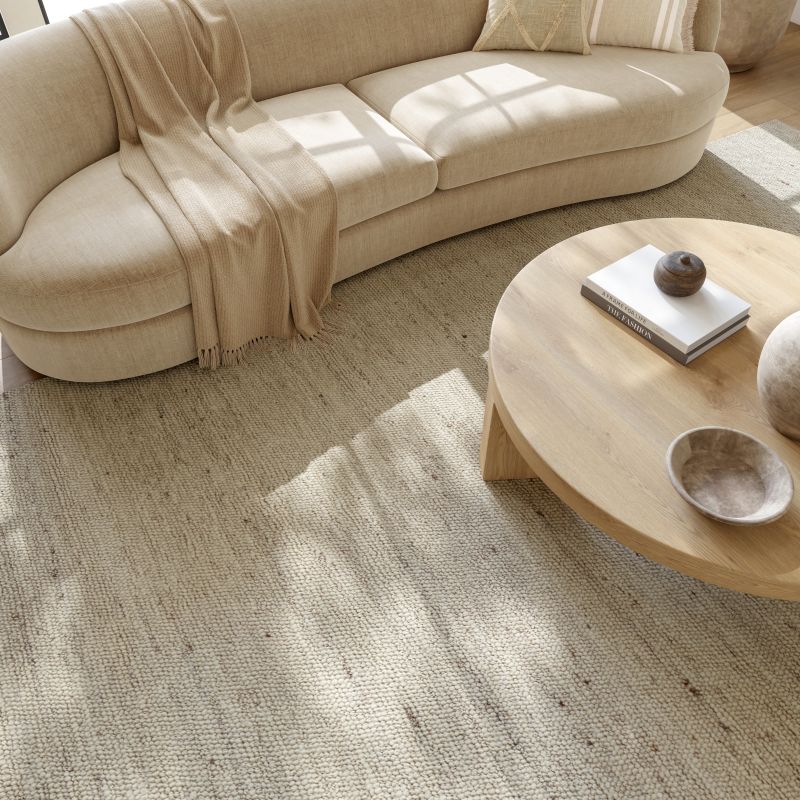
The idea of decorating with intention goes hand in hand with wellness-focused interior design. Your environment affects your mood, energy levels, and focus. When your home supports these needs, it becomes a place that restores you rather than drains you.
Intentional decorating doesn’t demand perfection. You also don’t need to think about putting together an entire room at once. It’s perfectly fine to collect pieces over time, experiment, and even move items from room to room as your needs change.
Here’s a framework for how to decorate your home with intention:
Step 1: Define the Purpose of Each Room
This is the foundational step that will help you decide what furniture and decor to put in the room.
Ask yourself:
What do I currently (or plan to) use this room for?
When am I in this space the most?
How do I want to feel when I walk in?
A living room might be about connection and relaxation. A bedroom may be focused on rest and comfort. Even transitional spaces like hallways and entryways serve a purpose – whether that’s creating calm waypoint or simply helping you transition from outdoors to indoors.
Writing down one or two keywords per room can be incredibly helpful. Think words like “calm”, “energized”, “grounded”, “cozy”, “refreshed” or “focused”. These feelings become your decision-making filter.
Step 2: Engage the Senses
Wellness-focused design goes beyond the way a space looks. You also want to consider how things feel, smell, and sound. A sparsely decorated room that causes sounds to echo will affect your senses way differently than one filled with layered textures and a pleasant aroma.
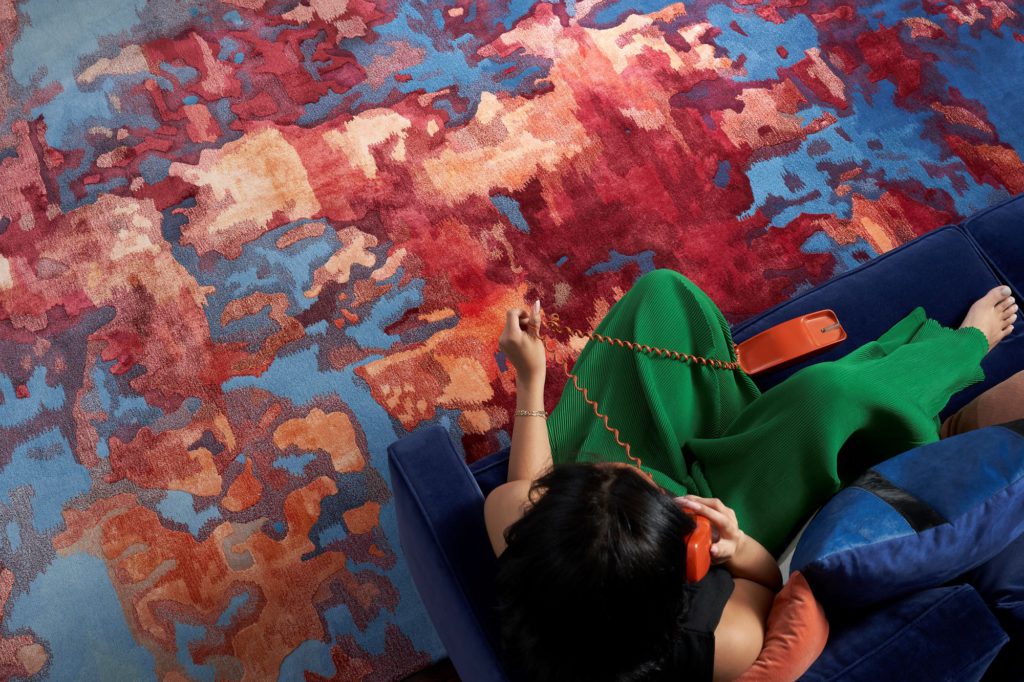
Add color
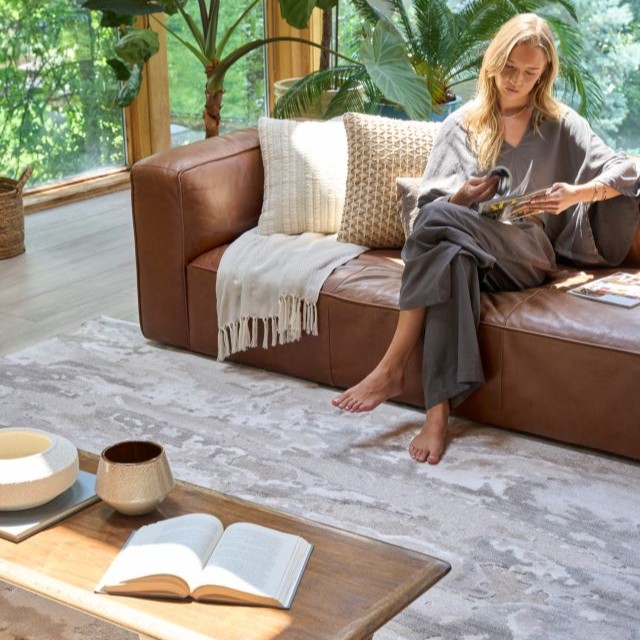
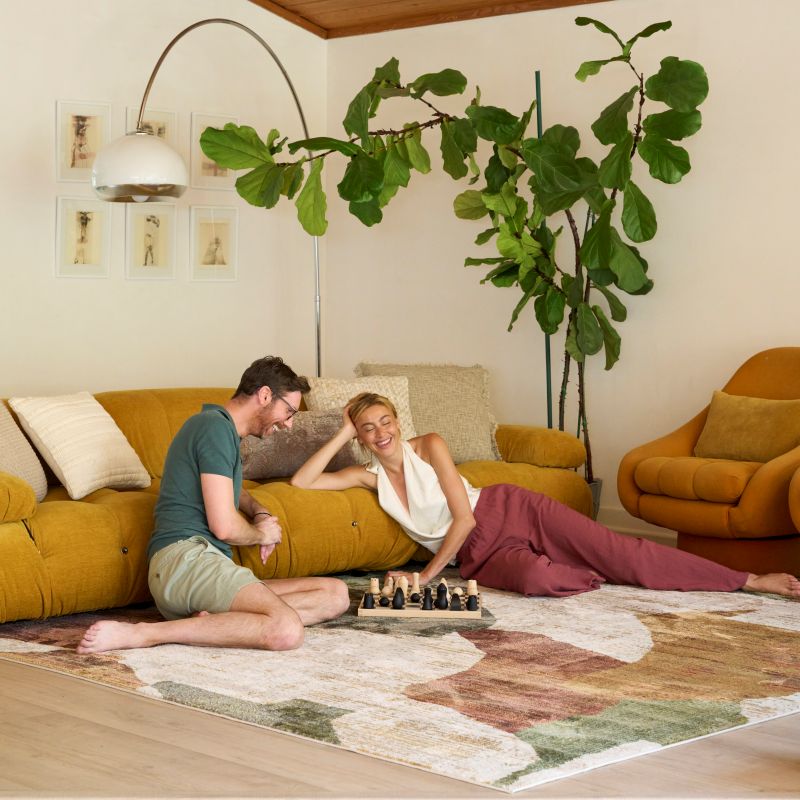
Color has a powerful effect on emotional response. Soft neutrals and muted tones, for example, tend to inspire a sense of calm. These work especially well in bedrooms where the goal is to wind down after a long day. Alternatively, warmer shades create a cozy and inviting feel. These are great in living rooms or dining rooms where gathering is the focal point.
You don’t need to repaint an entire room to reap the benefits of a color-filled space. Home accessories, art, or even books can go a long way toward setting the emotional tone of a room.
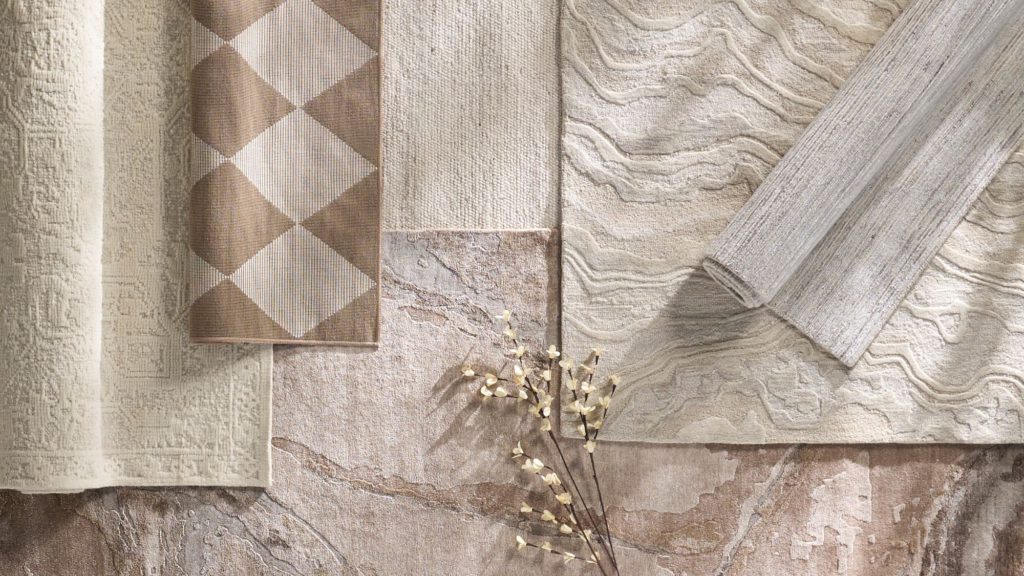
Incorporate textures
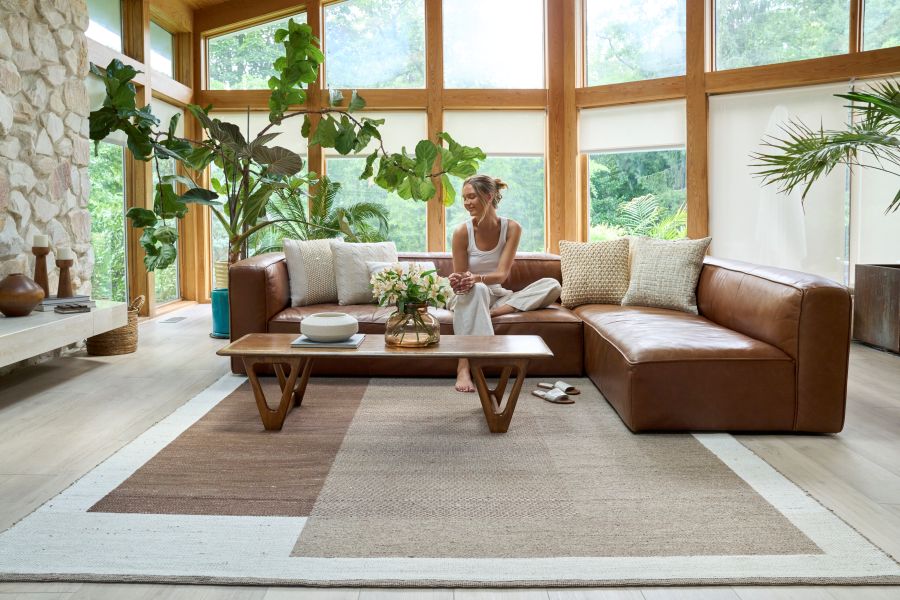
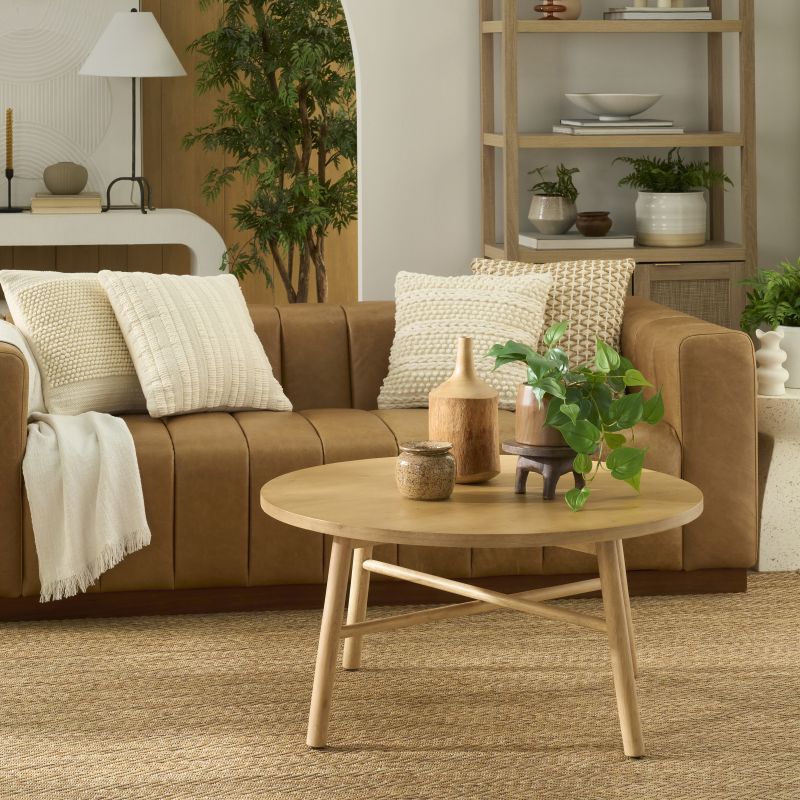
While color forms the baseline for how a space feels, texture takes rooms to the next level. The key is to mix different materials to visually break up the room. Woven pillows on a leather sofa, plus a blanket and woven rug add layers of dimension while making the room feel more inviting.
Finish with pleasant scents
Scent is one of the most overlooked parts of home design, despite being one of the fastest ways our brains register a space. Have you ever walked into a space that smelled like freshly baked cookies and felt an instant sense of ease? That’s because scent signals go directly to the areas of the brain responsible for memory, emotion, and instinctive reactions.
A thoughtful scent choice helps anchor the mood of the room. Starting with a clean room creates a fresh foundation for you to layer in your desired scents. Candles, essential oil diffusers, or even fresh greenery can help reinforce the intention of the area.
Step 3: Be Patient
This isn’t a true “step” at face value, but we believe that decorating with intention goes hand in hand with being patient.
Sometimes you only realize what else a room needs after you’ve spent a few days there. You might also find that an item you originally bought for one room works better somewhere else.
Tips for Intentional Decorating by Room
With the groundwork in place, here are a few practical ways to apply intentional decorating principles to each room:
Living room
- Use floor or table lamps to add soft lighting that you can rely on in the evening
- Add throw blankets, pillows, and curtains for extra texture
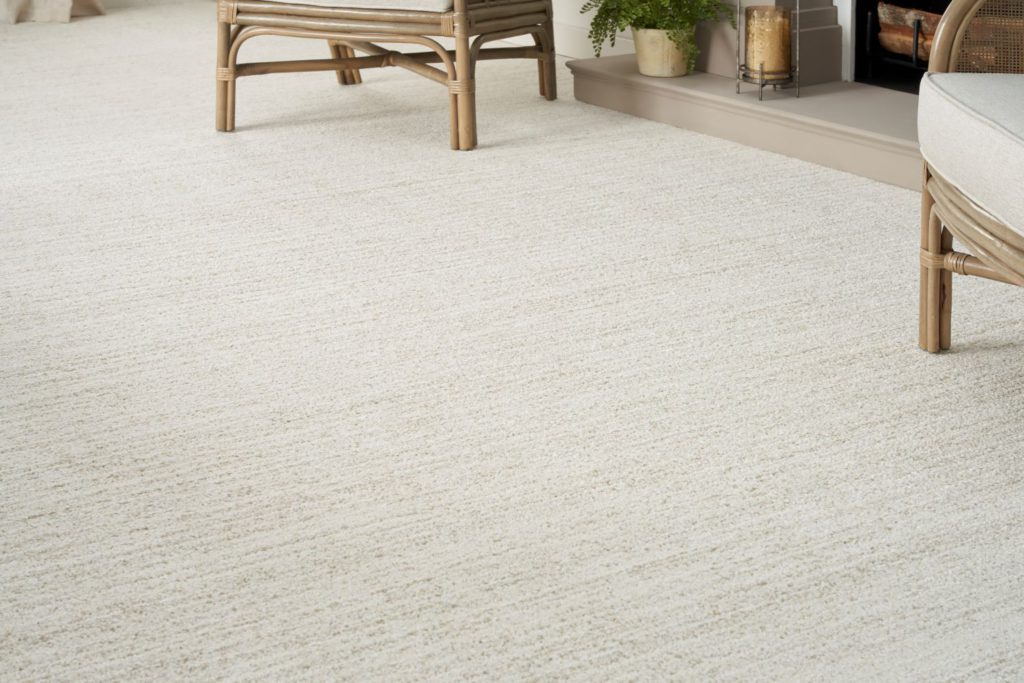
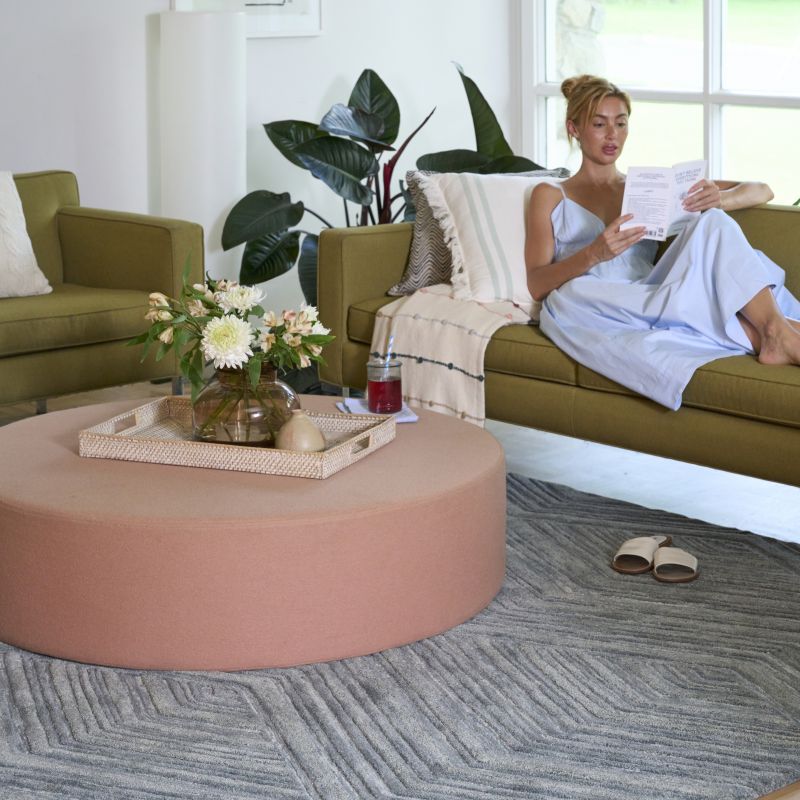
- Invest in a quality rug to anchor the space. A well-made rug adds warmth and absorbs sound while grounding living room furniture
Dining room
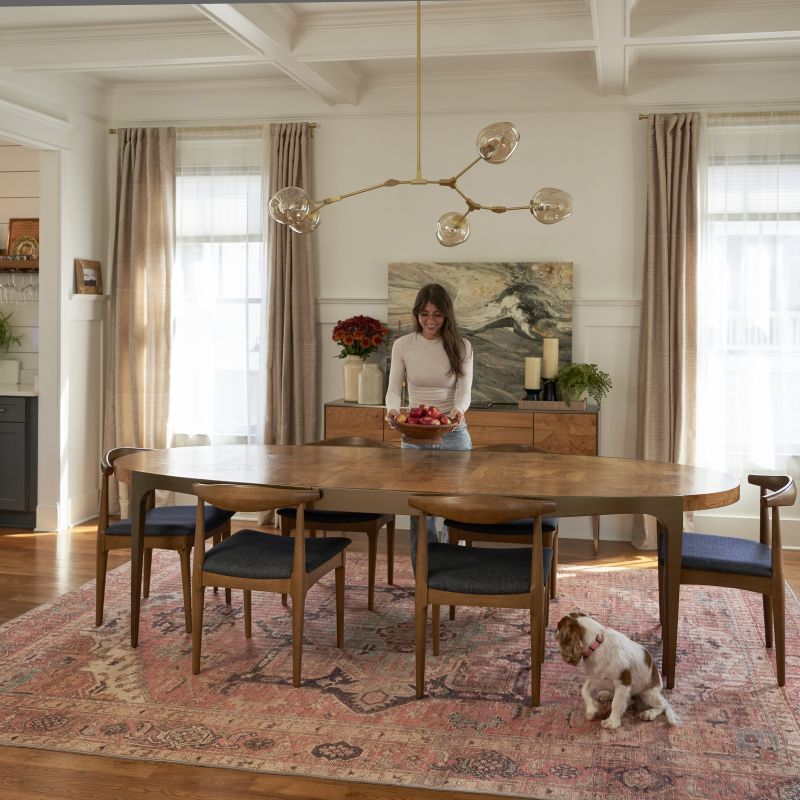
- Anchor the table with a rug in inviting colors that set the tone for gathering
- Dining furniture made from natural materials brings a grounded feel to the space
Kitchen
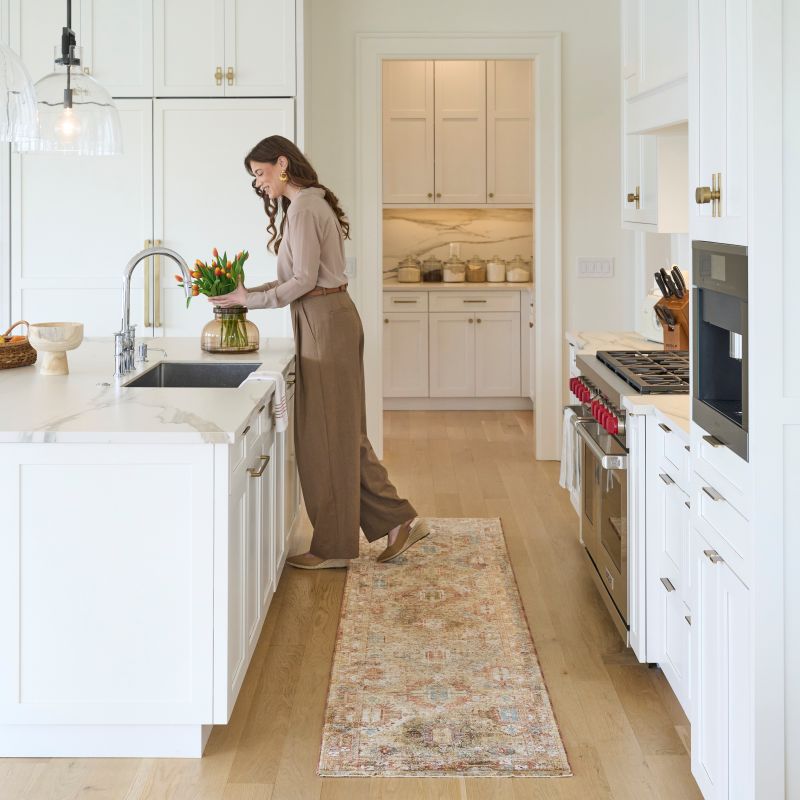
- Keep surfaces intentional by limiting countertop décor to a few functional or meaningful pieces
- A low-profile runner balances form and function, giving you a soft space to stand while in the kitchen
Bedroom
- Choose bedding that feels comfortable against your skin. If you’re a hot sleeper, for example, moisture-wicking fabrics are ideal
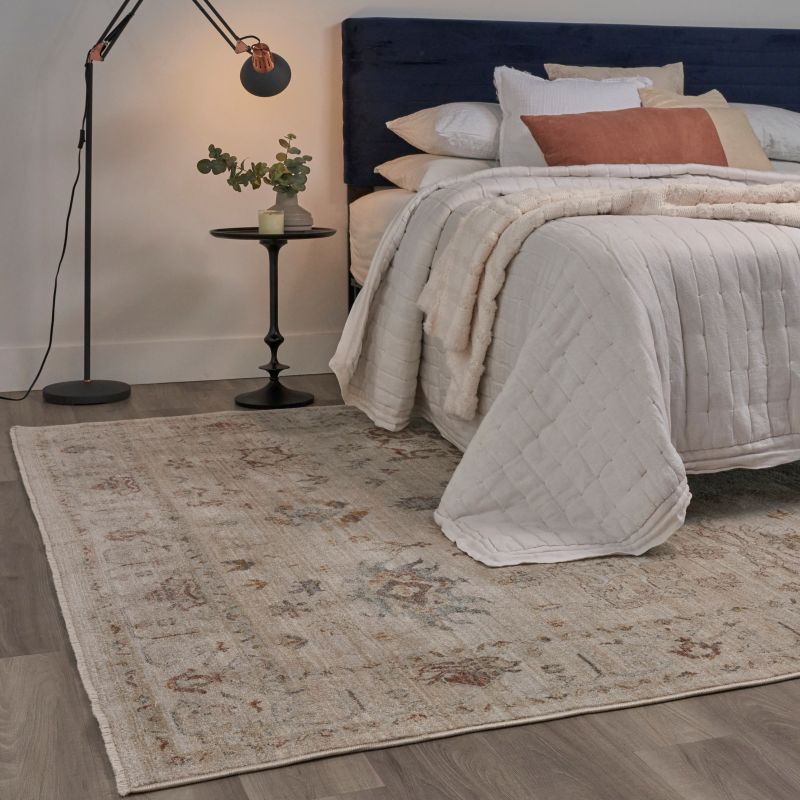
- A 5×8 or 6×9 rug placed under the bed offers a warm spot to plant your feet in the morning
- Focus on calming colors that will help your mind wind down after a long day
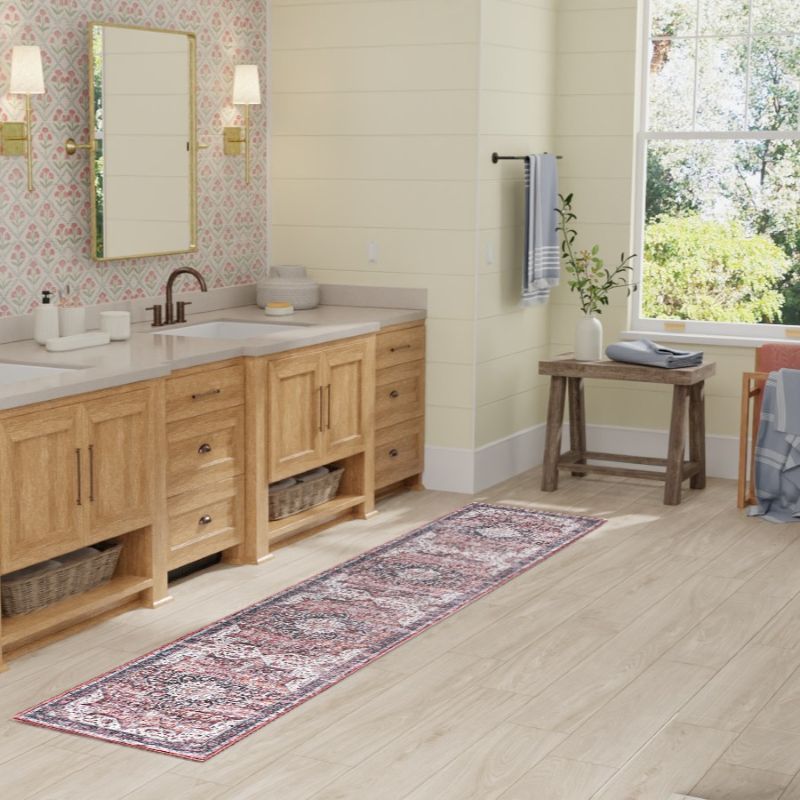
Bathroom
- Add a small plant or natural wood accessory to bring warmth
- Upgrade towels or bath mats for a small but impactful refresh. Focus on performance materials that don’t retain moisture
Entryway
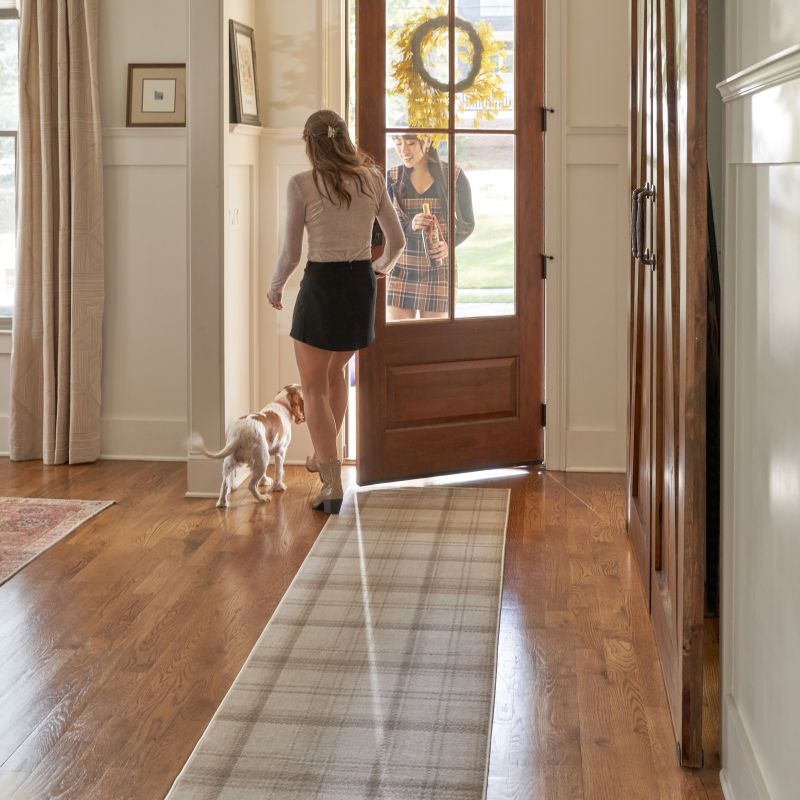
- Place a small rug or runner near the door to set the tone for a welcoming space while protecting floors
- Add a mirror to a small entryway to help the space feel more open
- Use hooks or baskets as quick “catch-alls” that also reduce clutter
Hallway
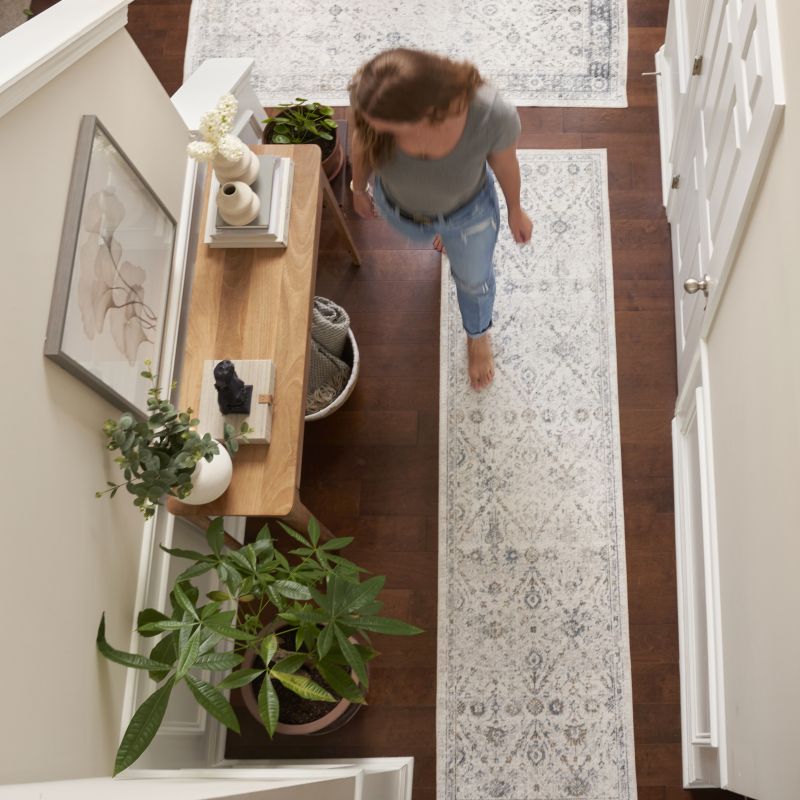
- Use artwork or framed photos to guide the eyes and create flow
- Add a runner to keep a sense of continuity between other areas of the home
How to Decorate with Intention in Small Spaces
Smaller rooms, apartments, and even dorms benefit greatly from intentional design because placement can make the difference between a space that feels considered vs. cluttered.
- Choose multi-functional pieces like storage ottomans or benches
- Stick to a consistent color palette, especially in open concept areas
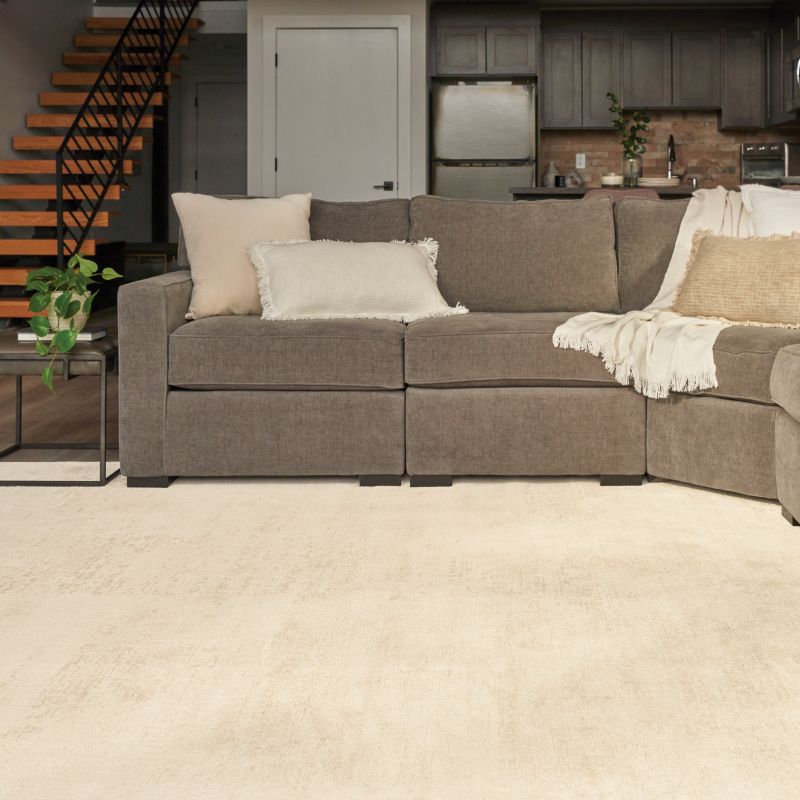
- Use rugs to define zones in studio apartments and similar open layouts
A Final Thought on Intentional Decorating
Decorating with intention is about creating a home that supports your well-being and personality. You don’t need to have everything figured out right away, but starting with a clear concept for how you want the space to support your lifestyle can do most of the heavy lifting.
When you lead with purpose and allow your space to evolve, your home naturally becomes more reflective of you.