High-Pile vs. Low-Pile Rugs: How to Choose
A high-pile rug has longer fibers and a softer, fuller surface. A low-pile rug sits closer to the floor, so it is easier to vacuum and simpler to use around doors and moving furniture. Neither is better across the board. The right choice comes down to the room, the traffic, and how much care you want the rug to ask of you.
What does rug pile mean?
Rug pile is the yarn you see and feel above the foundation. Pile height measures from the backing to the top of that yarn. It is a useful number, but it does not tell you exactly how a rug will feel. Fiber, density, loops, carving, and construction all change the surface. Two rugs can share the same listed height and feel nothing alike underfoot.
As a practical guide, low pile is usually around one-quarter inch or less. Medium pile falls between roughly one-quarter and one-half inch, and high pile rises above one-half inch. These are working ranges, not universal standards. A flatweave, a dense cut pile, a large loop, and a shag construction all carry height differently.
If you are also comparing wool, cotton, jute, and performance fibers, our Rug Materials 101 guide explains how fiber changes softness, durability, and care.
What is a high-pile rug?
A high-pile rug has longer surface fibers, which give it a deeper and softer feel. Shag is the clearest example, but high pile also appears in hand-knotted wool rugs and dense cut-pile constructions. This is the pile you notice under bare feet. It also catches more shadow, so the floor reads softer and less flat.
The trade-off is upkeep. Long fibers can catch beneath a low door, slow down dining chairs, and fight with a rolling office chair. Crumbs, pet hair, and dust also settle deeper into the pile. High pile is not difficult by definition, but it does ask for the right vacuum setting and a little more attention. Use suction only when the care instructions call for it, and keep the beater bar off delicate fibers and loops.
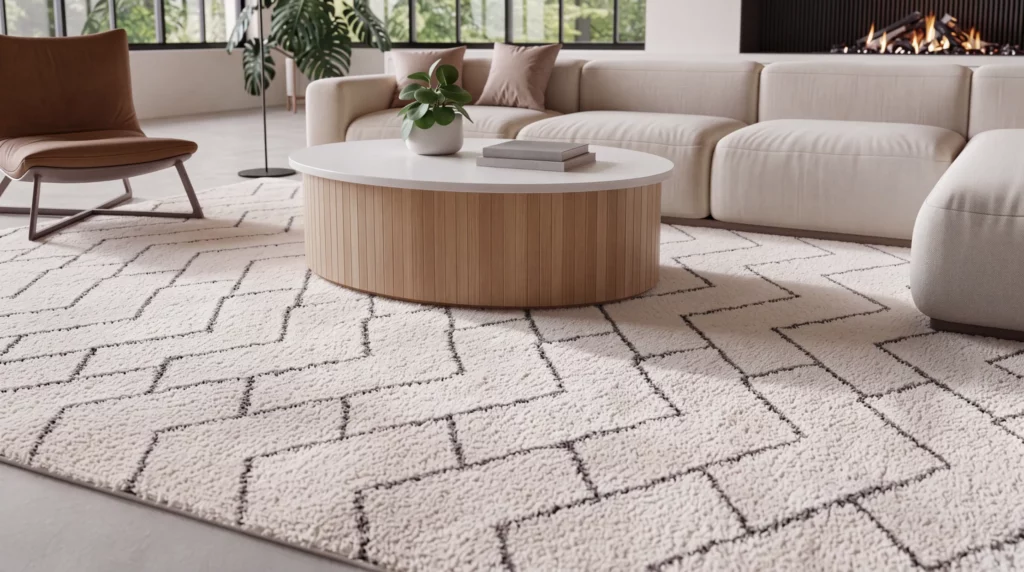
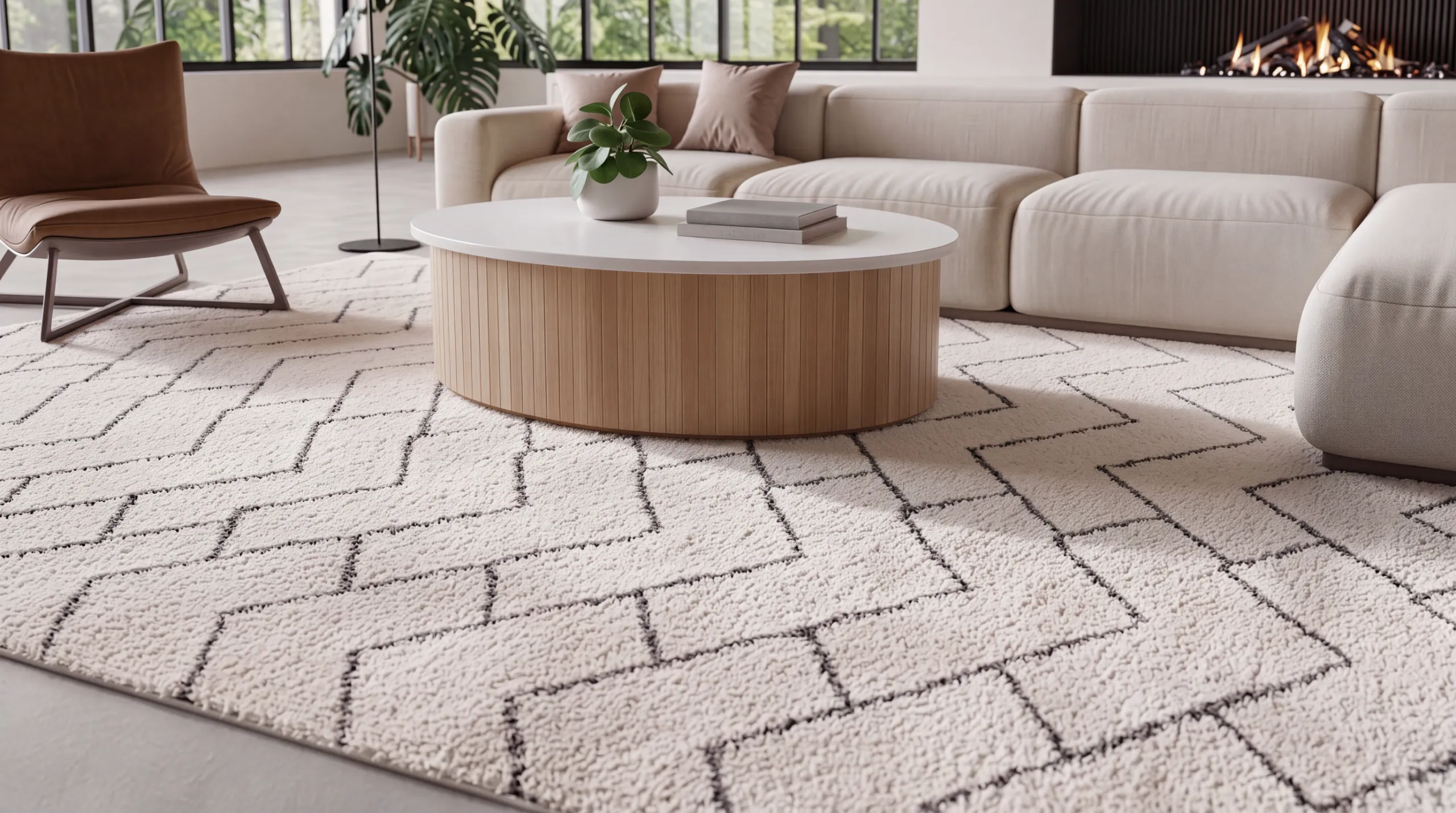
Dreamy Shag DRS03 Ivory Grey Area Rug is the full plush version of high pile. Its 1.58-inch shag surface is soft, low shedding, and marked with a cobbled chevron pattern. This is a rug for moderate-traffic rooms where comfort carries more weight than chair movement.
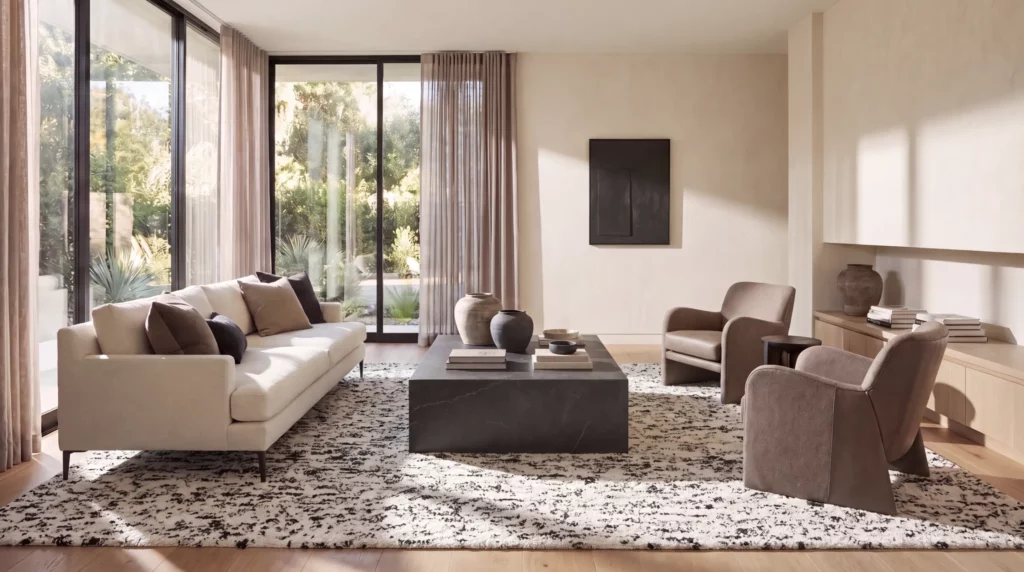
Calvin Klein CK042 Billows BIL01 Ivory Black Area Rug takes high pile in a quieter direction. It is hand-knotted from New Zealand wool, with space-dyed ivory and black yarns that soften the edges of the abstract pattern. The surface feels substantial without reading as shag.
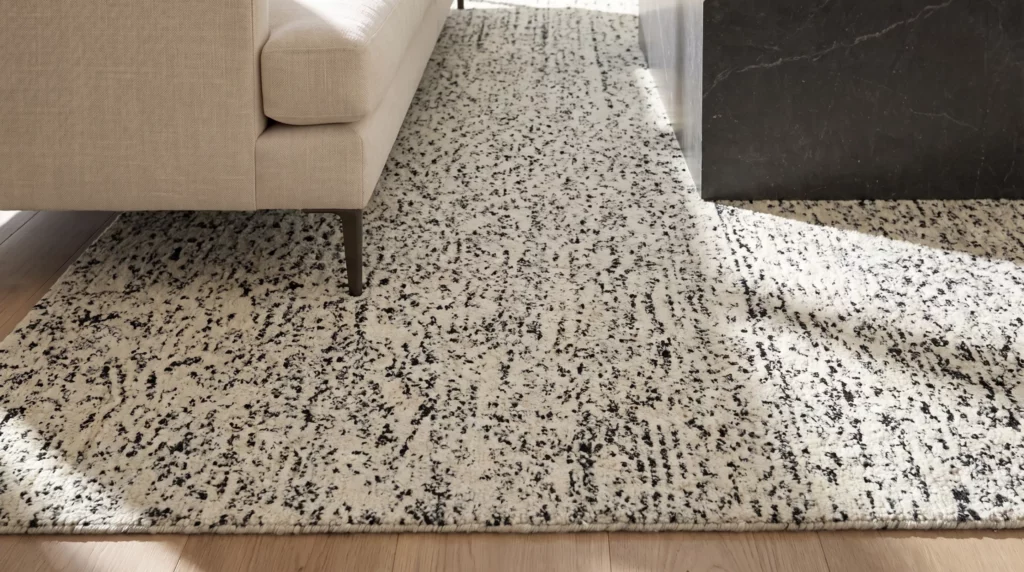
For a closer look at wool’s natural properties and routine care, read Everything About Wool Rugs.
What is a low-pile rug?
A low-pile rug keeps the yarn close to the foundation. That flatter profile clears doors more easily and gives dining chairs and wheeled furniture a steadier surface. Dirt stays nearer the top instead of disappearing into long fibers, so routine vacuuming is usually simpler. For active rooms, that practicality earns its keep.
Low does not mean flat in the visual sense. Carving, high-low construction, tonal yarns, and woven pattern can build relief without adding deep pile across the entire rug. Density matters too. A tightly constructed low-pile wool rug can feel firmer and more substantial than a loose rug with taller fibers.
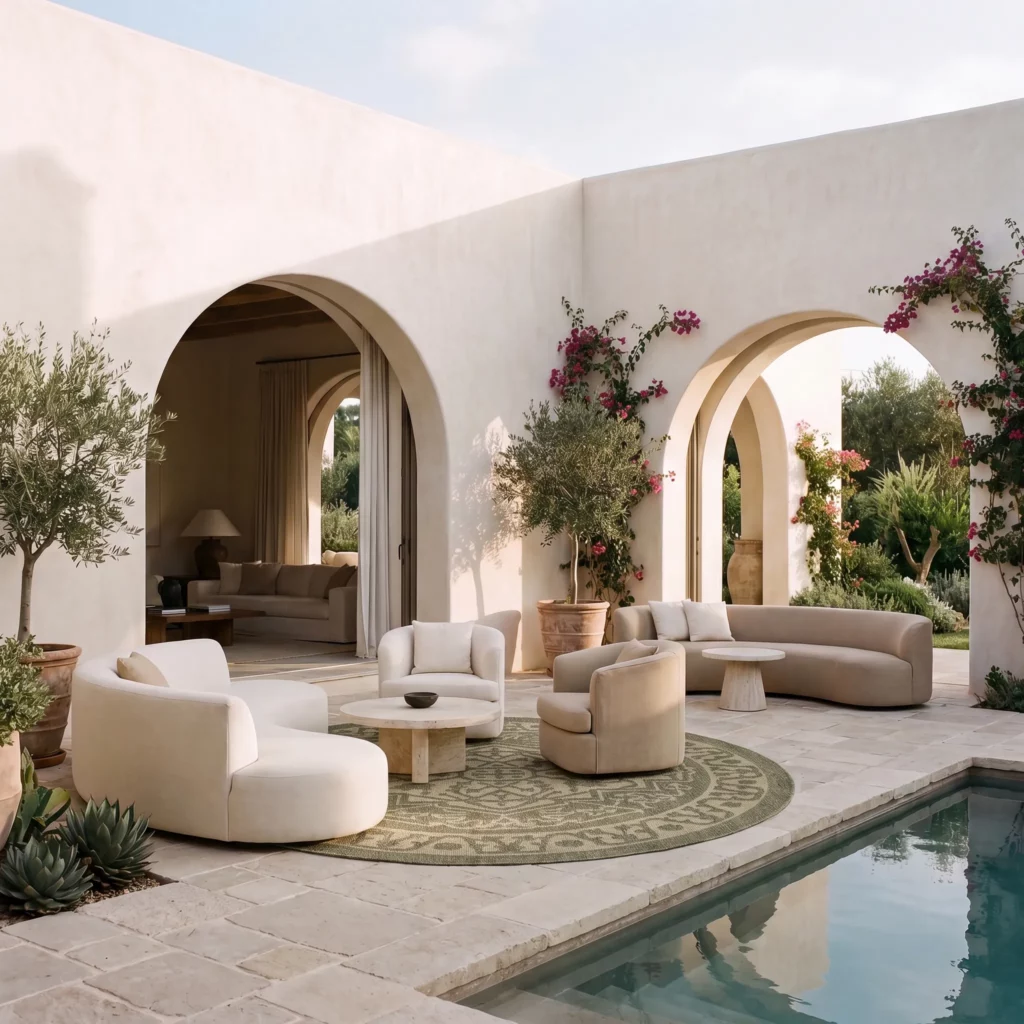
Tulum TLM05 Olive Area Rug is a good example of low profile without a flimsy feel. Its 0.25-inch flatweave is power-loomed from easy-care performance fibers for indoor/outdoor use. It is OEKO-TEX Standard 100 certified and rated for heavy foot traffic, so it makes sense in rooms where people, pets, and furniture are always moving.
For more on low-profile outdoor constructions, read Best Material for an Outdoor Rug and Why We Love Polypropylene Rugs.

Blanco BLO02 Ivory Area Rug also measures 0.25 inches, but it looks entirely different. Its hand-knotted wool-and-cotton construction uses carving and a high-low surface to trace the geometric design. The rug stays close to the floor while the pattern rises just enough to cast a shadow.
Is a thick rug always a high-pile rug?
No. Thickness and pile height are related, but they are not the same measurement. A rug can feel thick because the yarn is dense, the loops are large, the woven structure is substantial, or a rug pad adds cushion beneath it. Long shag fibers create obvious height, but they do not always create the same firmness.
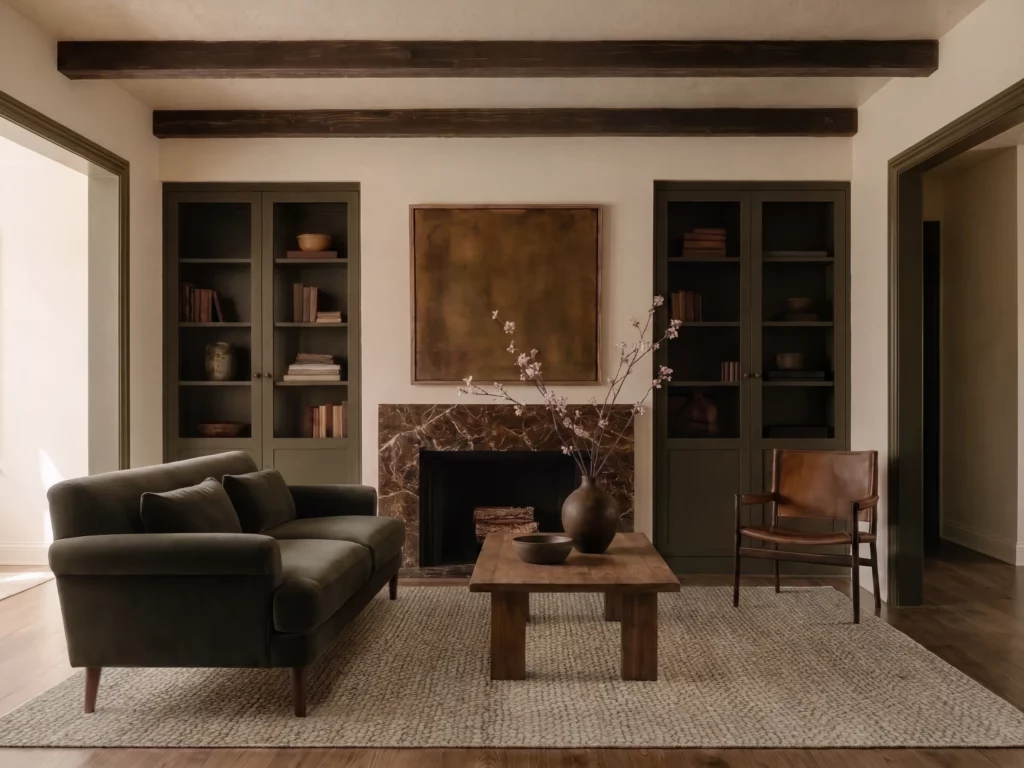
Calvin Klein Riverstone CK940 Mocha Rug makes the distinction clear. Its handwoven wool construction has a 0.5-inch medium loop pile and a thick pebble weave. It feels chunky and substantial, but the structure comes from the loops rather than a deep shag surface.
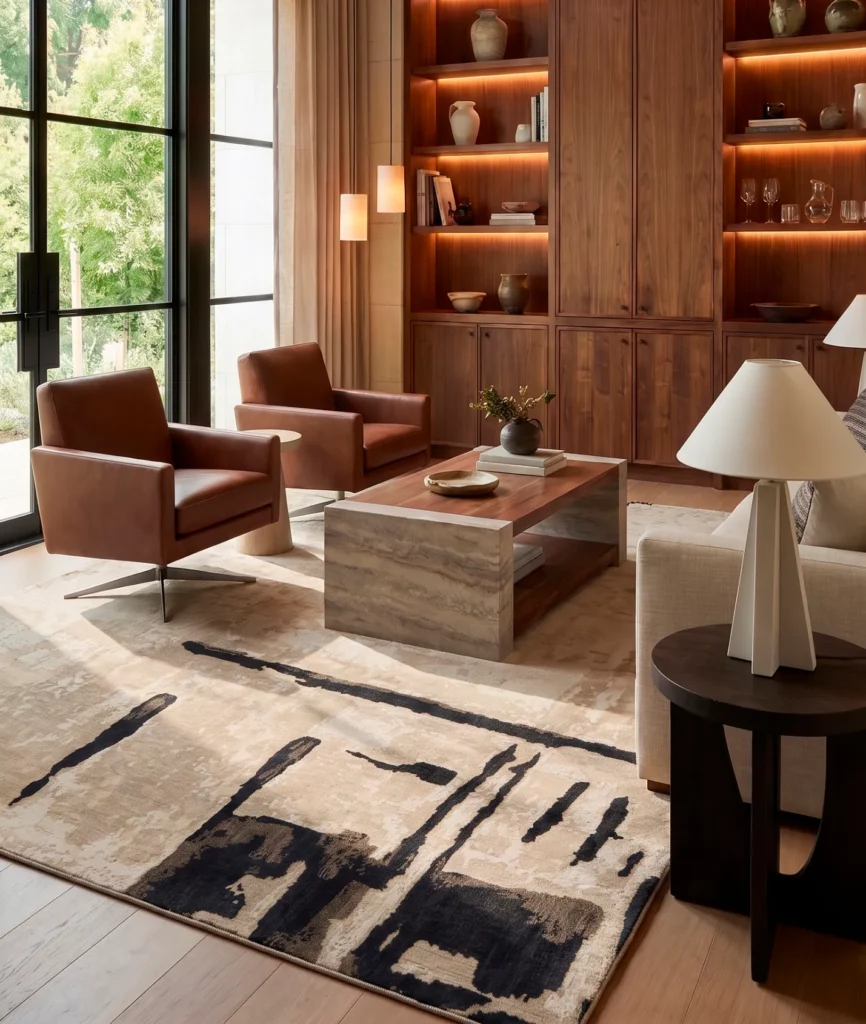
Christopher Guy Wool & Silk CGS11 Sea Sand Rug also measures 0.5 inches. Here, a hand-knotted cut pile in New Zealand wool and silk creates a smoother, more tailored surface. Same height, very different hand.
Is high pile or low pile easier to clean?
Low pile is generally easier to clean. Debris has less depth in which to settle, and the vacuum can move across the surface without pushing through long yarns. High-pile and plush rugs may need lower suction, an adjustable head, or suction-only cleaning. Rotating brushes can pull long fibers, loops, and fringe, which is why so many rug care instructions say no beater bar.
Pile height is only half the cleaning question. Wool, performance fibers, jute, and silk blends respond differently to moisture, stains, and agitation. Read the care label before treating a spill, and blot instead of rubbing. Some rugs allow spot cleaning with a damp cloth. Handmade wool and silk-blend rugs often call for professional cleaning.
Households with animals should also consider shedding, snagging, and cleanability. Our guide to the best pet-friendly rugs covers those choices in more detail.
Does pile height change how a rug looks?
Yes. Long pile catches light across the tips and valleys of the fiber, so plush rugs look softer at the edges. Low pile keeps printed, distressed, and finely woven patterns sharper. High-low construction falls between the two, raising selected parts of the design while the rest stays close to the foundation.
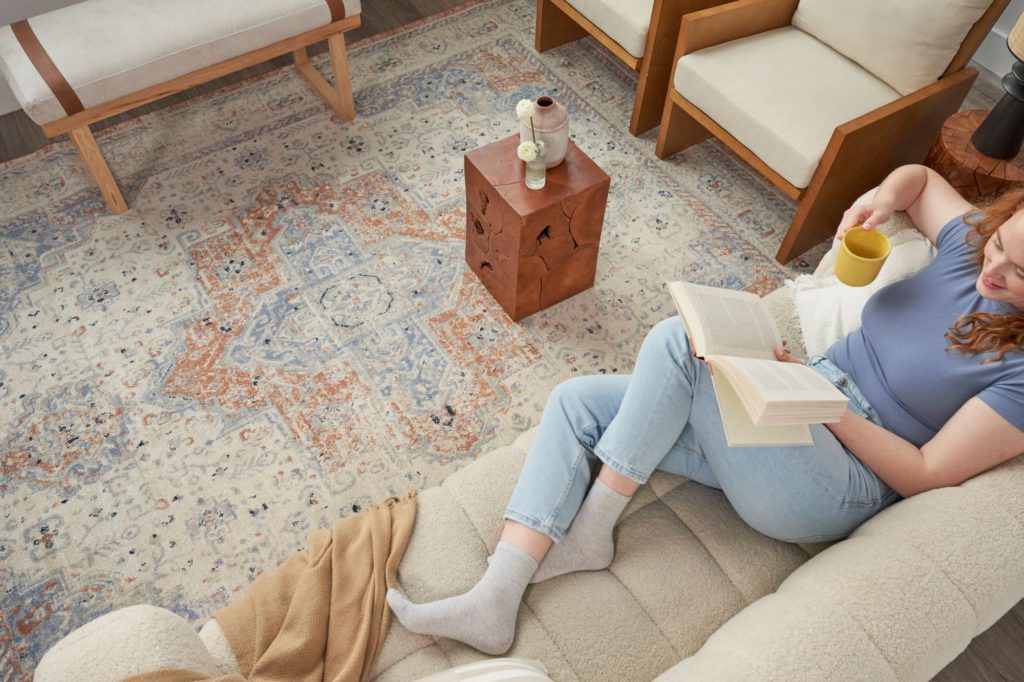
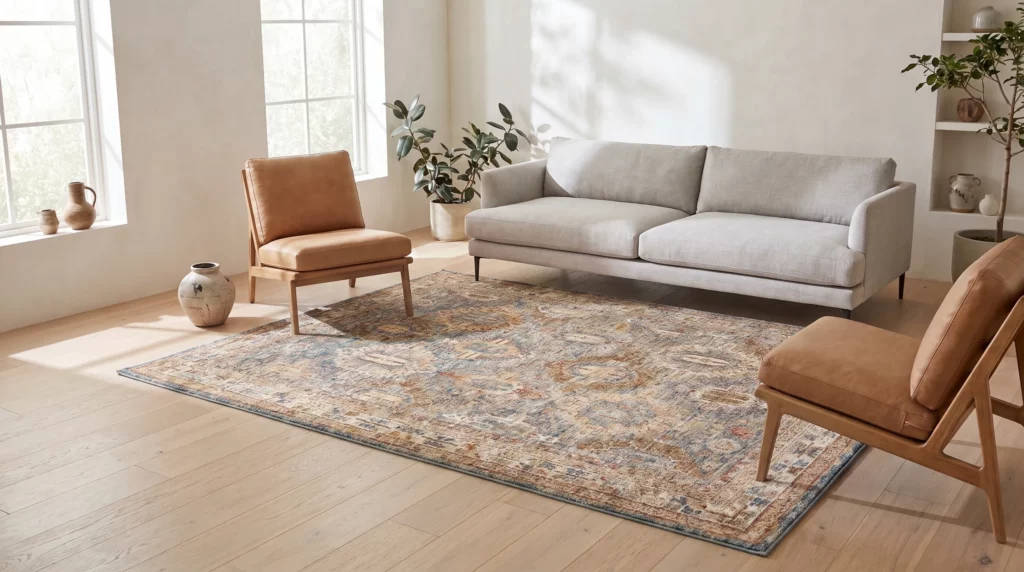
Sahar SHR01 Blue Area Rug uses a 0.35-inch medium pile, enough to feel soft without blurring its ornate Persian-inspired pattern. The distressed finish stays legible, and the cotton backing and fringe give the power-loomed rug a more traditional frame.
Pile is an evergreen decision. For palette-led updates, see our guides to fall decor trends and rugs and easy fall decor ideas.
Where should high-pile and low-pile rugs be used?
Start with what moves through the room. A plush surface makes sense in a bedroom or a living area where softness matters and the furniture stays put. A lower profile is the safer choice where doors swing, chairs slide, or people cross the rug all day.
Room labels only take you so far. A high-pile rug under a dining table can make chairs frustrating to move. A low-pile rug beside the bed may miss the softness you wanted in the first place. Think about furniture weight, traffic, pets, cleaning habits, and the exact construction before you decide.
How to choose between a high-pile and low-pile rug
Before choosing, check these five points:
- Measure clearance. Open nearby doors fully, and check the gap beneath them.
- Watch how furniture moves. Dining chairs and rolling office chairs need a stable, lower surface.
- Match the care to your routine. Deep pile asks for more deliberate vacuuming and faster attention to embedded debris.
- Read the full construction, not only the height. Fiber, density, loops, cut pile, backing, and rug pads change performance.
- Choose the feel you want. High pile gives more softness and depth; low pile gives a cleaner profile and easier movement.
For natural texture with a flatter structure, our jute rug guide explains what to expect from woven plant fibers. If you are considering a made-to-measure piece, the custom rugs guide with Leila Caramad covers scale, shape, and design options.
Frequently asked questions
Q: What is the main difference between a high-pile and low-pile rug?
A: High-pile rugs have longer fibers and a deeper, softer surface. Low-pile rugs have shorter fibers and a flatter profile that generally makes vacuuming, door clearance, and furniture movement easier.Q: Are thick rugs always harder to clean?
A: Not always. Cleaning depends on pile length, density, fiber, construction, and care instructions. A dense medium-pile wool rug and a long shag rug may need very different vacuum settings even if both feel substantial.Q: Is a high-pile wool rug a good choice for a bedroom?
A: It can be, especially when softness underfoot is the priority and traffic is moderate. Check the rug’s shedding level and care instructions, and make sure doors and furniture have enough clearance.Q: Is a low-pile dining room rug easier to use?
A: A low-pile dining room rug usually allows chairs to slide more easily and keeps crumbs closer to the surface. Choose a size that keeps chair legs on the rug when pulled out, and follow the product’s cleaning guidance.