Rug Materials 101
Last updated on January 23rd, 2026
When it comes to rug shopping, style and design are usually top of mind. But what a rug is made of matters just as much as how it looks. From natural fibers to synthetics, rug material plays a major role in how a rug feels underfoot, how easy it is to clean, and how well it fits into your everyday life.
This guide breaks down the most common rug materials and what makes each one unique, so you can feel more confident as you search for the right rug to fit your space.
How rug materials affect performance
While rug construction affects the overall look and feel, the material determines how it behaves once in your home. Some fibers naturally bounce back after being walked on, while others compress over time. Certain materials handle moisture better, and some don’t do well with spills or humidity. These differences are what determine how a rug holds up in your space—and more importantly—how soon you may need to replace it.
At a high level, rug material influences:
- Durability: How well the rug maintains its appearance as it’s walked on.
- Care & cleaning: How forgiving the fibers are when it comes to spills, stains, and routine maintenance.
- Placement: Which rooms the rug makes the most sense for based on use and conditions.
Common rug materials at a glance
Natural Fibers
Natural fiber rugs are, as the name suggests, made from materials found in nature. They’re valued for the unique texture and organic look that synthetic rugs often can’t achieve. Rugs made from natural materials are typically used indoors only, as factors like repeat exposure to moisture drastically affect their lifespan.
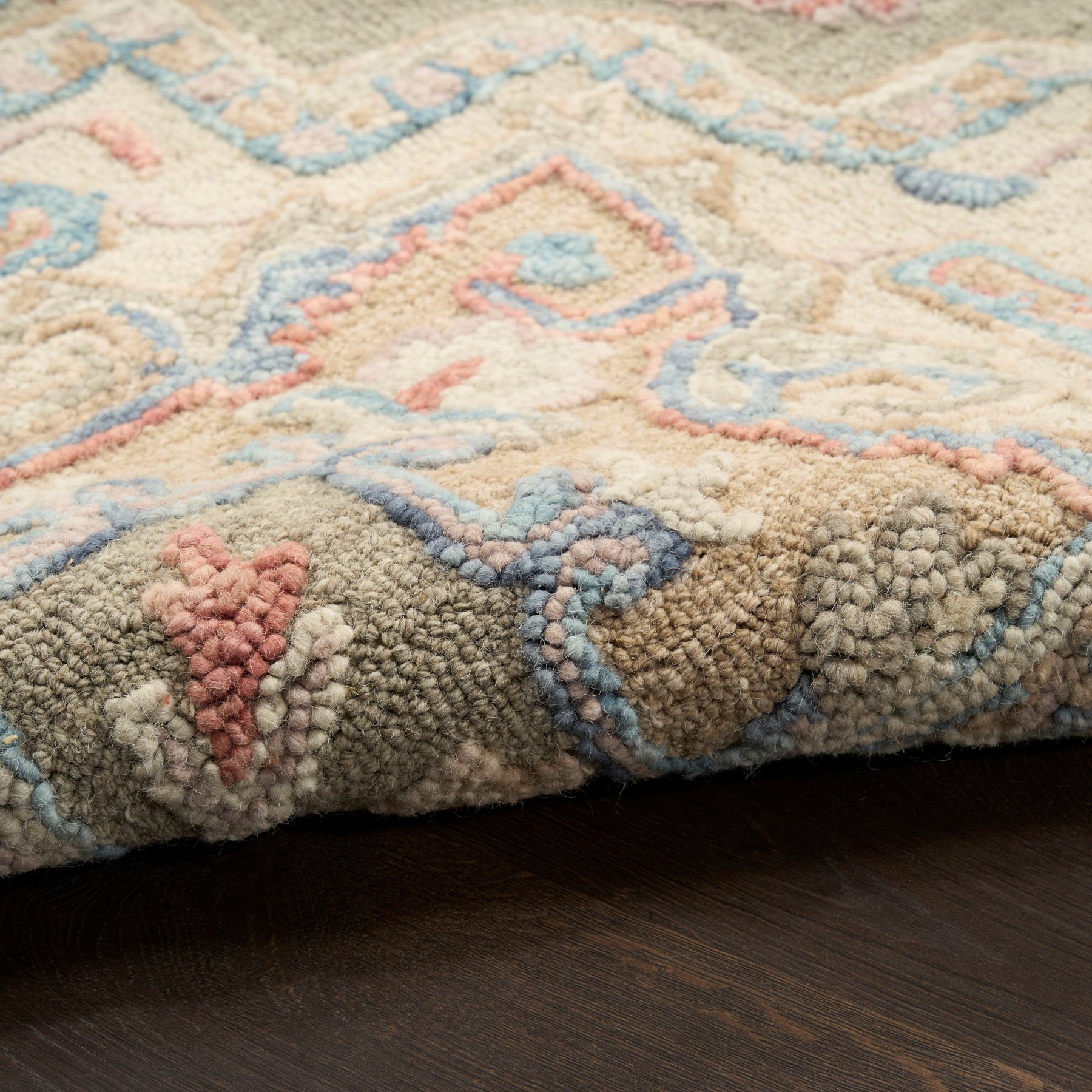
Wool: A longtime favorite for a reason. Wool rugs are naturally durable and typically have a soft texture.
This material is great in living rooms, bedrooms, and other cozy indoor spaces. Wool rugs don’t do well in high-humidity areas due to wool’s ability to hold moisture without visibly showing it.
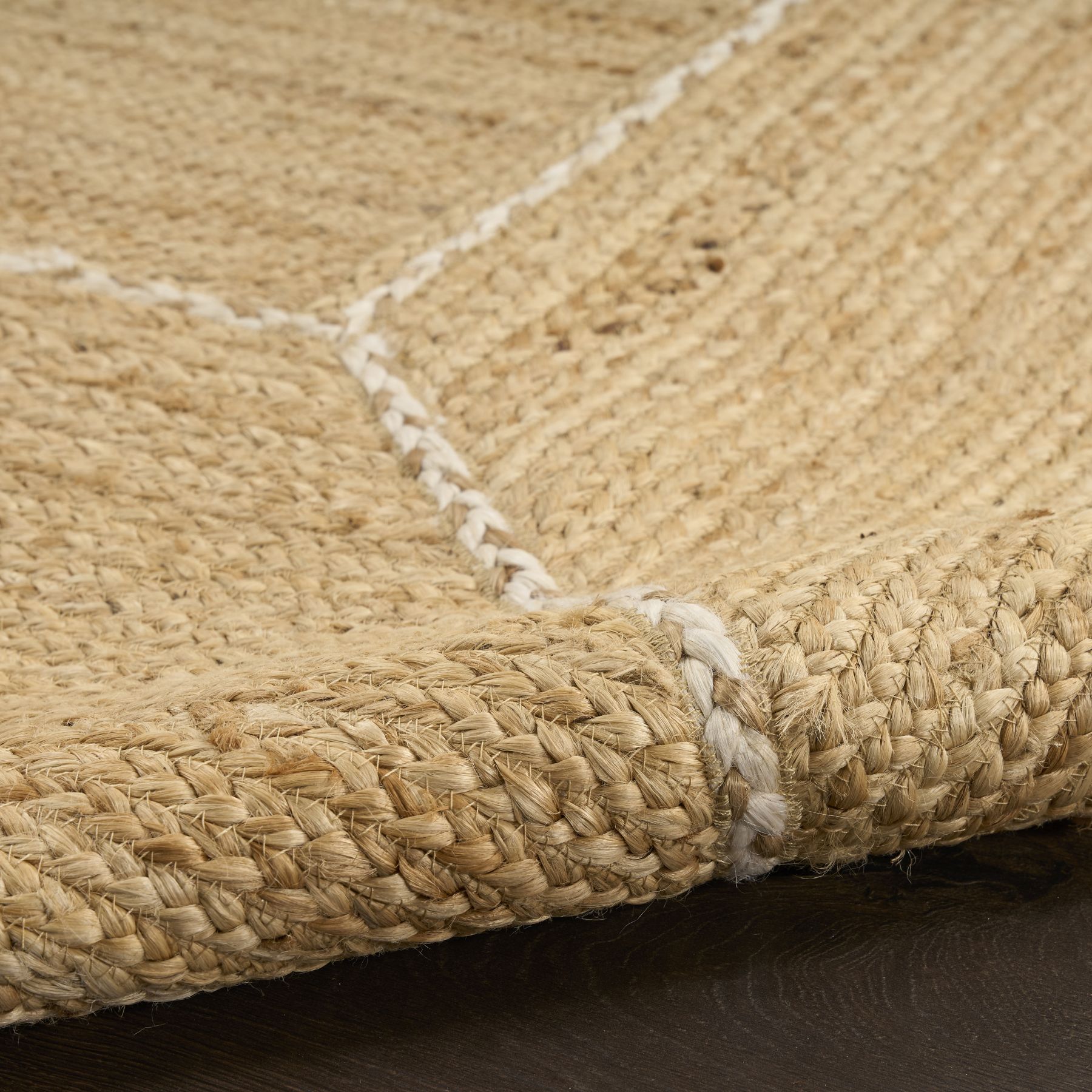
Jute: Jute rugs have a relaxed, organic look and more of a “nubby” feel.
Rugs made from jute are ideal in dining rooms, sitting rooms, and low-traffic areas not exposed to moisture. They’re also great for living rooms as part of a layered rug look.
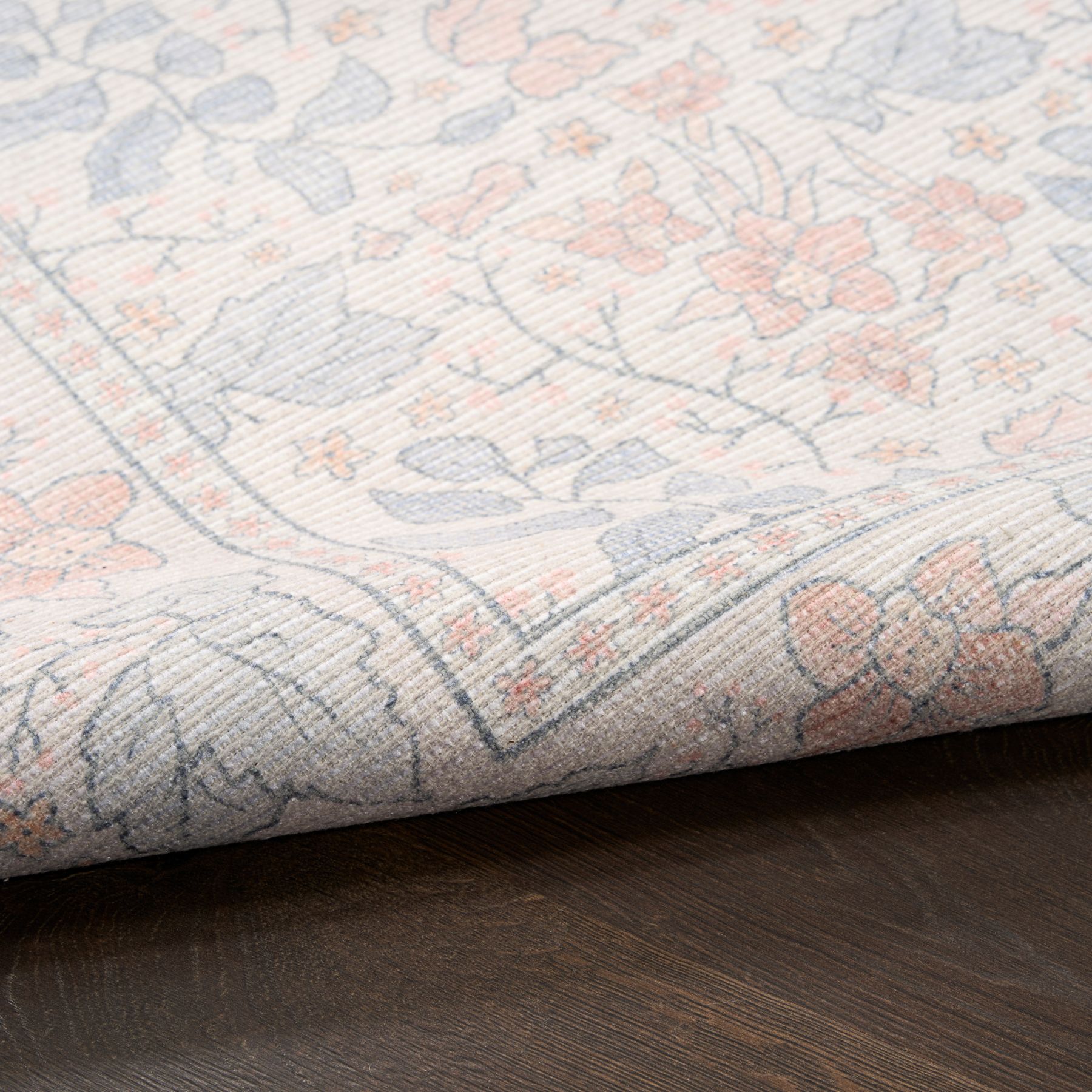
Cotton: Lightweight and easygoing, cotton rugs tend to be flatwoven for easy placement. Cotton’s adaptability makes it a go-to for rugs woven with recycled materials, like denim and rag rugs.
Rugs made from cotton are great in casual spaces, kitchens, entryways, or other rooms that call for something flexible and easy to move.
Synthetic & Performance Fibers
Synthetic and performance fibers are man-made materials designed with versatility in mind. They’re usually more affordable than natural fibers and are often used for anything from indoor only to outdoor and even washable rugs. The way a synthetic rug is woven tends to have the most impact on how soft the material feels.
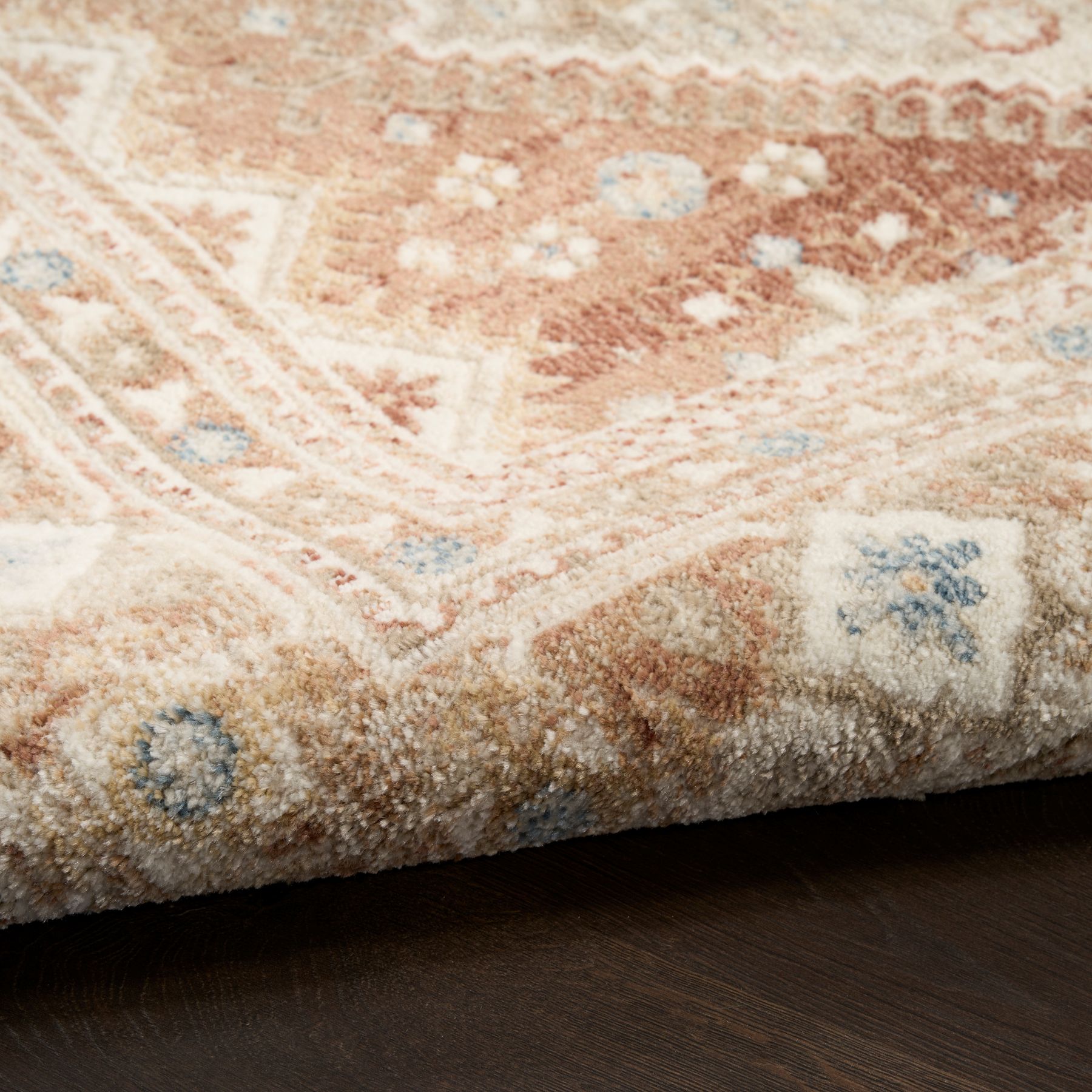
Polypropylene: Designed for everyday living, polypropylene rugs are known for their durability and easy care. This is typically one of the most durable rug materials for busy homes.
Polypropylene works well in any room, but this material shines in high-traffic areas and spaces where easy cleaning is a priority.
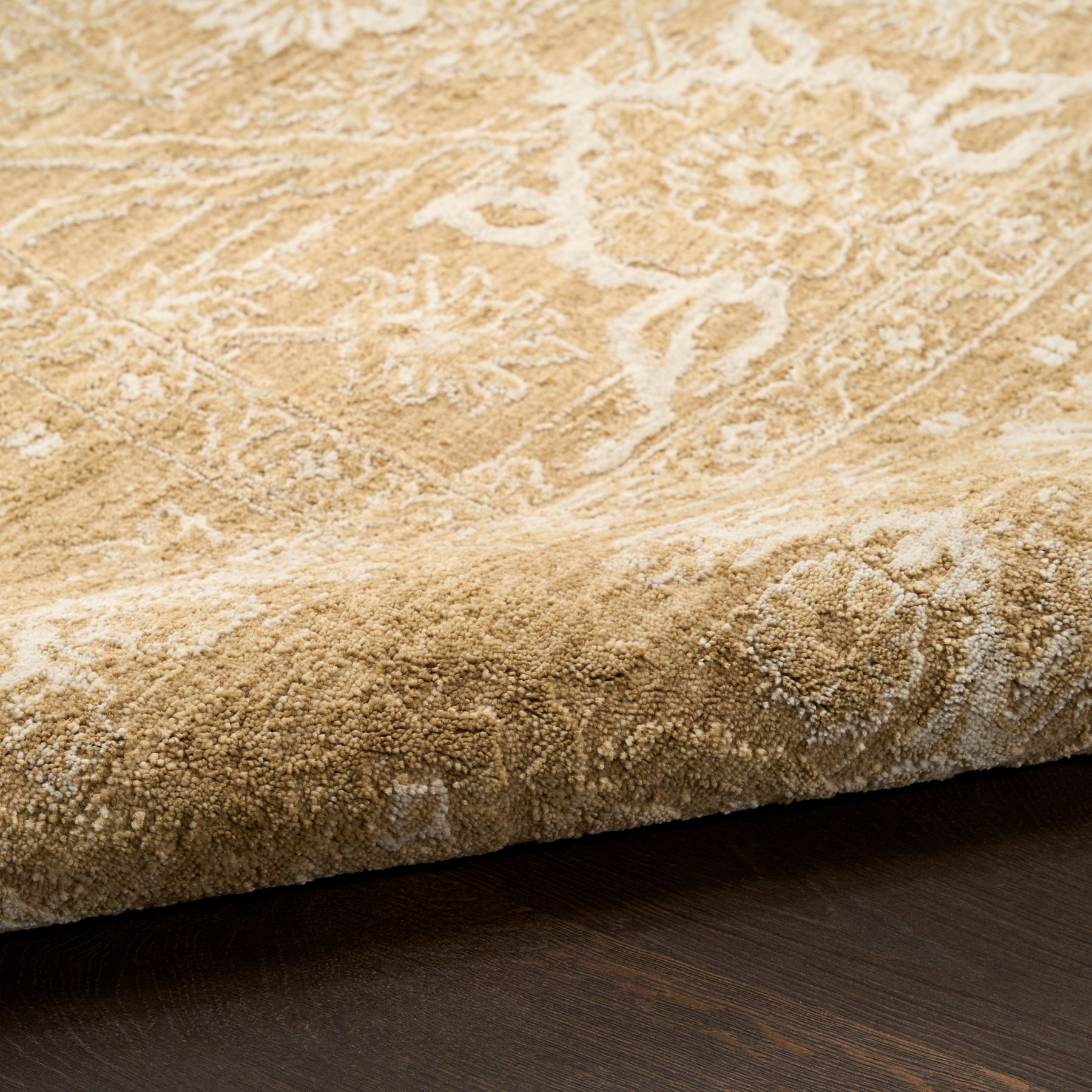
Polyester: This man-made fiber has excellent color retention, making them a popular pick for design-rich rugs. They often have an almost silk-like sheen that can dramatically change the look of the rug depending on where light hits it.
Where a polyester rug should be used depends on the texture. A thicker rug is best for a living room or bedroom, while flat rugs can easily go into a kitchen or dining room.
Specialty & Decorative Fibers
A specialty or decorative fiber is used to achieve a specific look, texture, or finish. These rugs may blend natural and man-made materials, or are produced in a way that emphasizes detail and visual appeal.
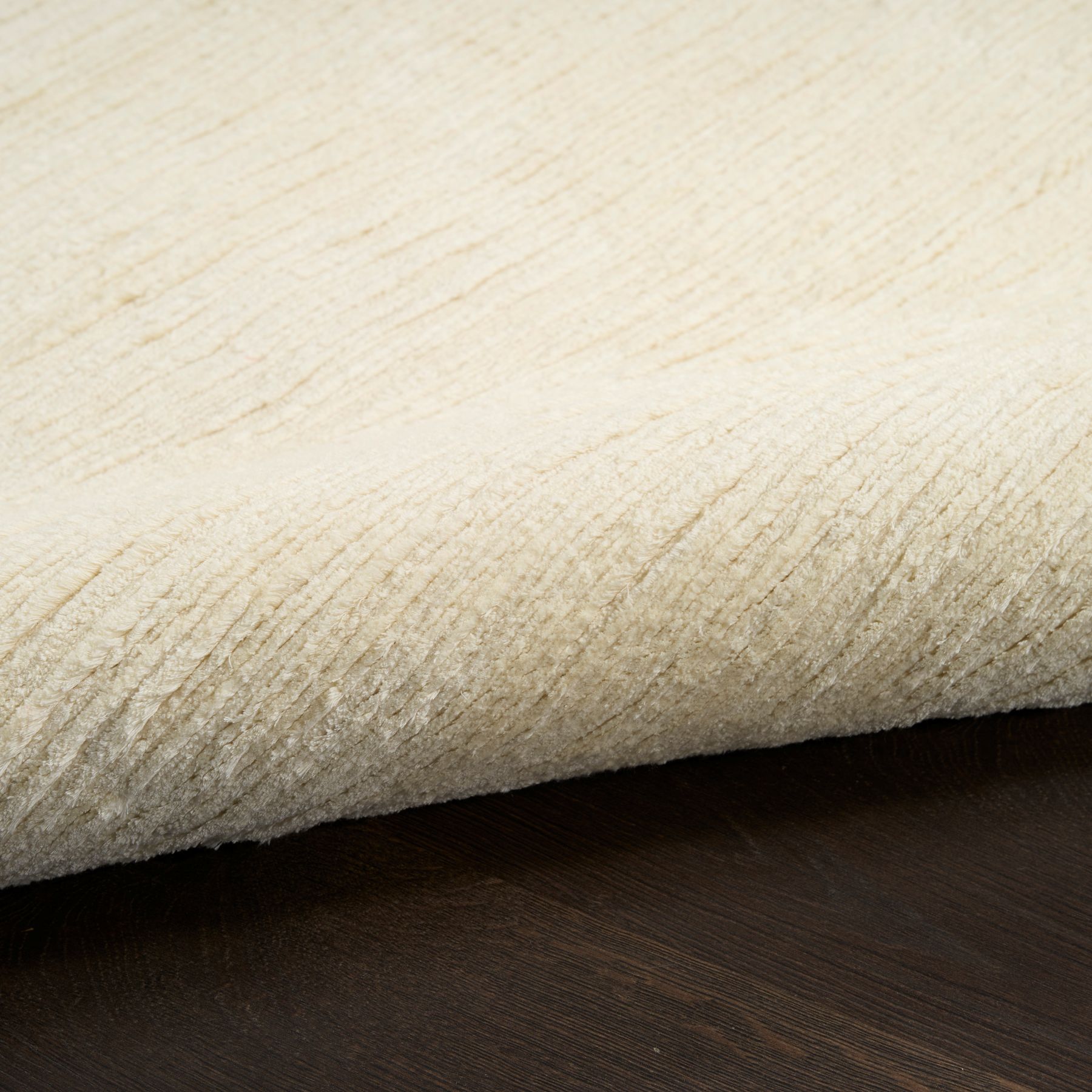
Silk: Silk rugs bring a luxurious feel with a smooth texture and subtle shine. These rugs can last for many years with proper care, but the incredibly delicate fibers are better suited for low-traffic areas.
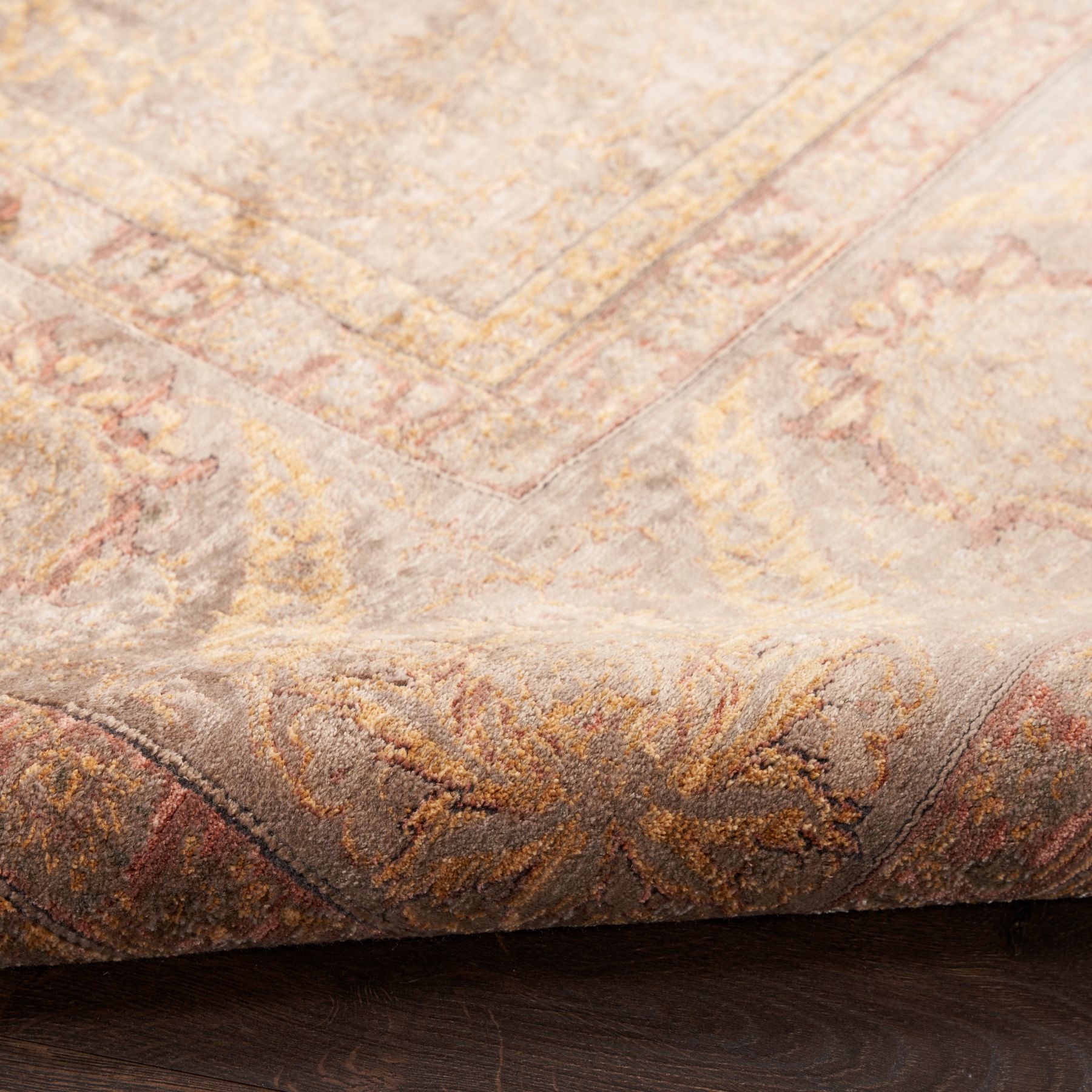
Viscose/Art Silk: Viscose is a man-made, plant-derived fiber that looks like silk. Although it’s a more affordable option, it’s also a delicate fiber best used as a decorative accent.
At Nourison Home, we’ve created Luxcelle™, a proprietary viscose blend that’s more durable than the traditional man-made yarn.
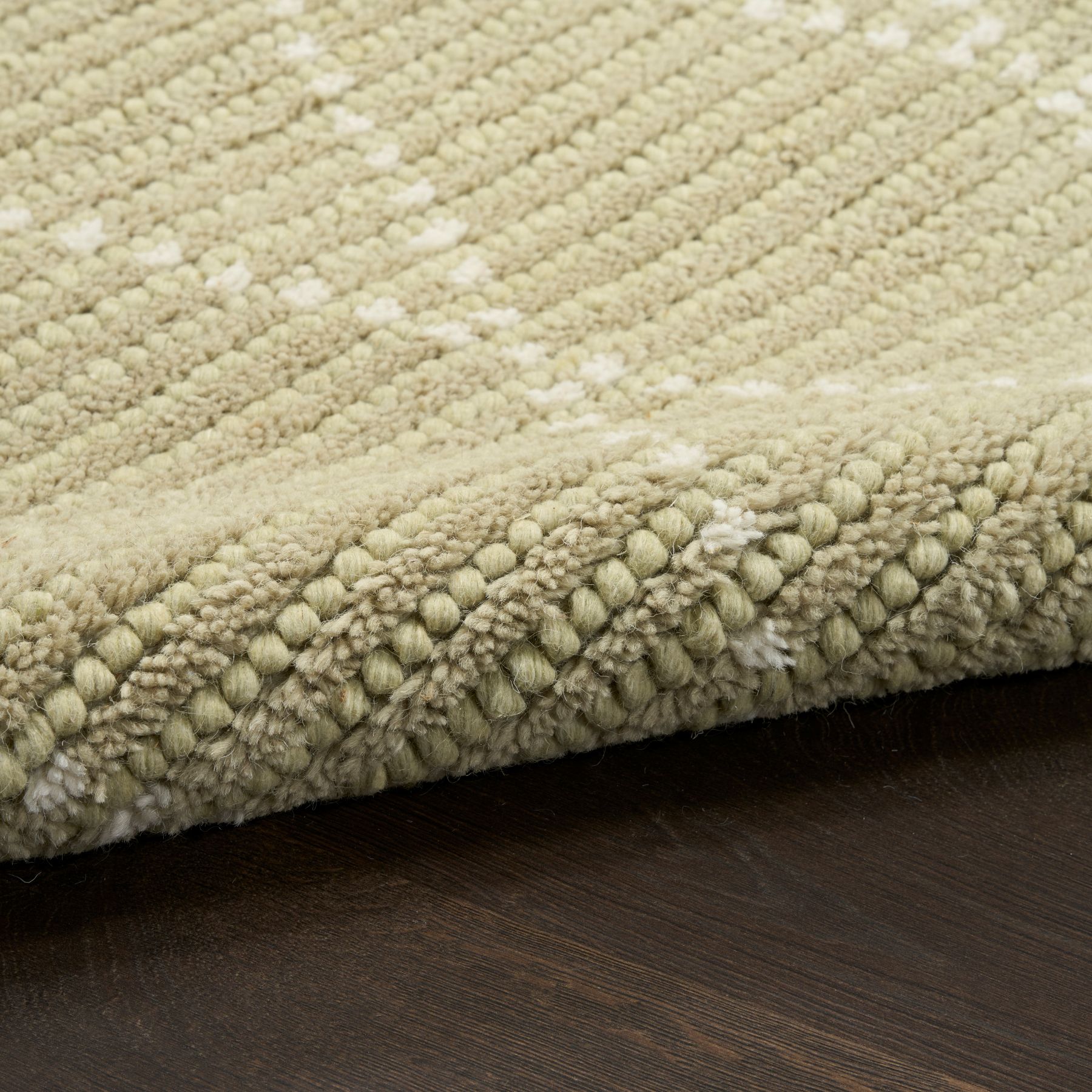
Blends: Natural materials are often reinforced with synthetic materials to boost durability or offer a different look and feel that can’t be achieved with one fiber type alone. Some of the more common blends include wool-poly and cotton-poly rugs.
Checklist: How to choose the right rug material for your space
Use this short checklist as you narrow down what the best rug material:
A living room rug has very different needs than one for a bedroom, kitchen, or entryway. Avoid high-maintenance fibers like viscose
If this is an area that sees a lot of daily back-and-forth, consider a material like wool or performance fibers made for these spaces
Unless you’re prepared to immediately take care of spills every time they happen, jute and wool may not be the most ideal
Lighter, more flexible materials are easier to adjust as your space changes